Fitting, glazing or repairing windows and doors? We stock the tools and consumables for the job: glazing tools such as glazing shovels, paddles, hammers and glass thickness gauges, glazing packers and hardwood wedges, uPVC screws and frame fixings, silicone sealant, silicone and caulking guns, uPVC scratch repair, padlocks and hasp and staple locks, for trade and DIY.
Choosing the right tool or fixing can make the difference between a clean repair and damaged hardware. Check sizes, materials and the individual product specification before ordering.
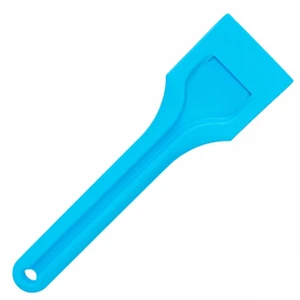 Glazing toolsHammers, shovels, gauges and kits
 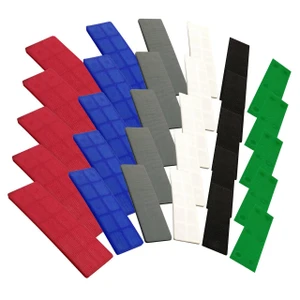 Glazing packers & wedgesFlat packers and hardwood wedges
 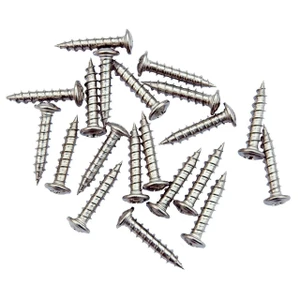 Screws & frame fixingsuPVC screws, hinge screws, anchors
 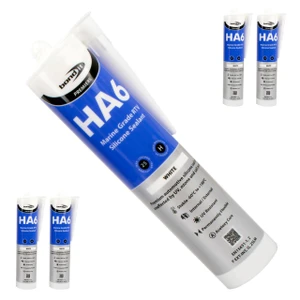 Sealants & adhesivesSilicone sealant and bonding
 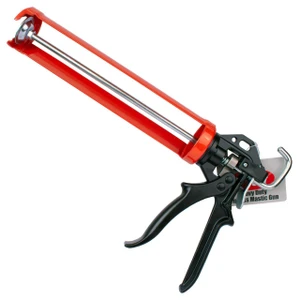 ToolsSilicone guns, foam guns, gauges
 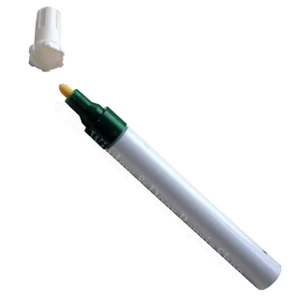 uPVC repairScratch pens and repair kits
 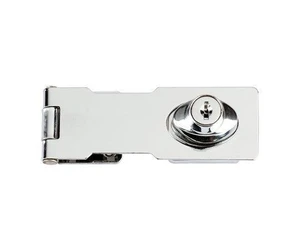 Padlocks & haspsHasp and staple locks, key safes
 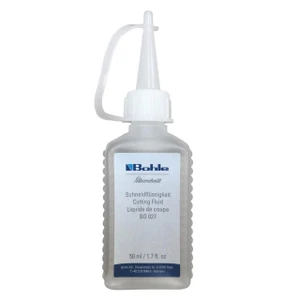 Glazing accessoriesGlass cutters, lifters, spares
 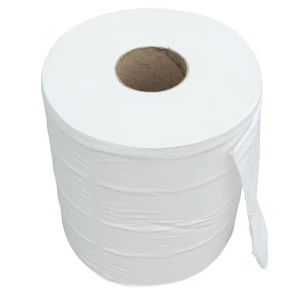 Cleaning productsCleaning rolls for frames and glass
Our glazing tools cover the jobs involved in removing, measuring, handling and refitting glass and glazing beads. The range includes nylon-faced glazing hammers, glazing paddles and shovels, bead-removal chisels, gasket and mitre shears, glass cutters, sealed-unit thickness gauges, suction lifters and useful glazing tool bundles.
A nylon-faced hammer is preferred when tapping glazing beads back into position because the replaceable non-metal faces reduce the risk of marking the workpiece. Glazing paddles are used for positioning sealed units and assisting with toe-and-heeling, while glass thickness gauges can help measure an installed sealed unit before a replacement is ordered.
Glazing packers are used to support, space and position glass units and frames. JCP flat plastic packers are used for levelling and toe-and-heeling windows and doors, while hardwood wedges can be useful for frame installation and general spacing work.
Choose the packer thickness to suit the job rather than forcing a glass unit or frame into position. Correct packer placement is particularly important when toe-and-heeling a door or window sash because the packers help transfer the weight of the glass back into the frame.
Our fixings, screws and bolts include products for replacement window and door hardware as well as frame installation and coupling. Depending on the job you will find items such as M5 window-handle screws, friction hinge screws, self-drilling uPVC screws, frame anchors, Torx masonry fixings and baypole/frame coupling screws.
Before ordering, check the diameter, length, head or drive type and the material being fixed into. A screw that fits through the hardware is not necessarily the correct fixing for the frame or substrate behind it.
Our sealants and adhesives include silicone sealants and bonding products. Products such as Bond It HA6 are specialist high-movement marine-grade silicones with defined substrate and application requirements, so one sealant should not be treated as suitable for every job. For application, our tools include a heavy-duty dripless silicone caulking gun and an expanding foam gun.
Before choosing a sealant or adhesive, check the surfaces being joined, whether the application is internal or external, the movement required in the joint and any manufacturer limitations. Clean, dry and correctly prepared surfaces are essential for reliable adhesion.
Minor cosmetic damage does not always mean replacing an otherwise serviceable frame, sash or panel. Our door and window repair range includes touch-up and scratch-repair products for light marks, chips and surface damage on selected uPVC finishes.
Always match the repair product to the colour and surface finish. Scratch pens are best suited to small superficial marks, while deeper chips or dents may need a filler or hard-wax repair system. These products are intended for cosmetic repairs and should not be used to disguise structural cracks or damaged components that need replacement.
Cleaning products are useful for preparing surfaces and cleaning up after installation and repair work, including large two-ply cleaning rolls for wiping frames, glass and general work areas.
Padlocks and hasps, including hasp and staple locks and key safes, cover practical security for sheds, gates, garages and other applications. Check the shackle size, opening, intended environment and security level rather than choosing by body size alone.
For the smaller jobs around fitting and maintenance, browse our general tools and glazing accessories, such as glass cutters, cutting fluid, glass lifters and spare hammer heads.
Nylon-faced glazing hammers are designed to strike glazing beads and similar components without presenting a hard steel face directly to the workpiece. The Thor nylon hammers stocked by JCP use replaceable moulded faces with no metal inserts in the face, helping reduce the risk of marking the bead when used correctly.
Glazing packers support and position sealed glass units within a frame. They are also used when toe-and-heeling door and window sashes, levelling frames and creating controlled spacing during installation. The required thickness and position depend on the particular frame and glazing arrangement.
Specialist glass-thickness gauges can measure many sealed units while they remain in the frame. This can save unnecessary deglazing and helps confirm the unit thickness before ordering a replacement. Check the measuring range and access required for the gauge you choose.
Use the original fixing as a reference where possible and check its thread or diameter, overall length and head type. For example, many espag window handles use M5 machine screws, but the required length varies with the handle and frame. Do not assume that one screw size fits every handle, hinge or lock.
A dripless silicone or caulking gun releases the pressure on the cartridge when you let go of the trigger, so the sealant stops flowing instead of oozing out. It gives a neater bead and less waste. Check the gun suits the cartridge size you use.
No. Touch-up pens, fillers and hard-wax kits are intended for cosmetic surface damage. A cracked, distorted or structurally damaged frame, sash or door component should be assessed and repaired appropriately rather than covered with a cosmetic product.
Start with the application and substrate. Check whether the product is approved for the surfaces being bonded or sealed, whether it will be exposed to weather or movement, its curing requirements and any limitations in the technical information. If the manufacturer does not list your intended use, do not assume compatibility.
Need help choosing a part, fixing or tool? Send us clear photos and measurements through our part identification page and we'll point you in the right direction.
Send us a photo to identify your partMonday to Friday, 8:30–12:30 and 13:00–15:30