Draughty windows, whistling doors or seals that have gone hard, flat or split? We stock replacement rubber seals and gaskets for uPVC, composite, aluminium and timber windows and doors: uPVC door seals, window seals, glazing seals and threshold seals, in bubble, flipper, E-gasket, wedge, Q-Lon and Aquamac profiles.
Choosing the correct gasket profile and size is important because many seals look very similar. Compare the cross-section and measurements with your existing gasket before ordering. If you’re unsure, our gasket sample packs are an easy way to test different profiles before buying the full quantity.
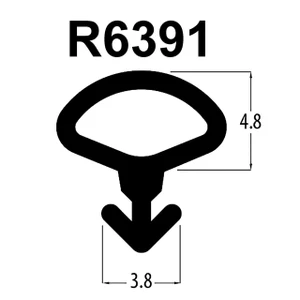 Bubble gasketsRounded compression seals
 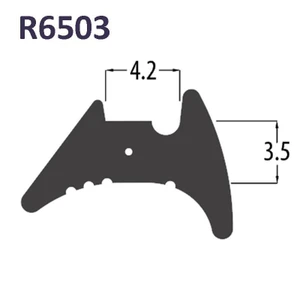 Wedge gasketsGlazing wedges for sealed units
 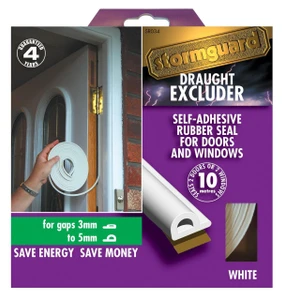 Draught excludersSelf-adhesive and brush seals
 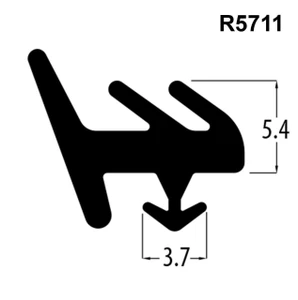 E gasketsE and fir-tree profiles
 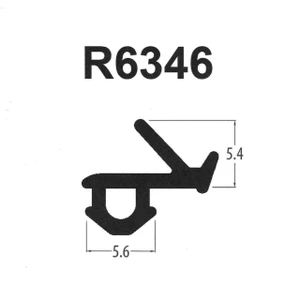 Flipper gasketsFin or lip weather seals
 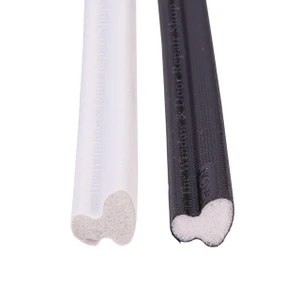 Q-Lon gasketsFoam weather seals
  Threshold door sealsSeals for door thresholds
 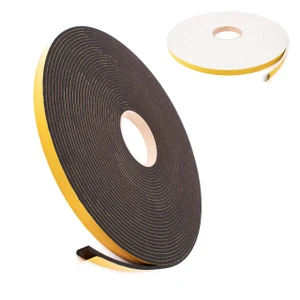 Security glazing tapeHolds the glass unit in place
  Aquamac sealsFor timber windows and doors
  Timber gasketsSeals for wooden frames
 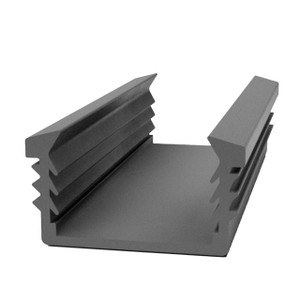 U-channel gasketsWrap-around patio door seals
 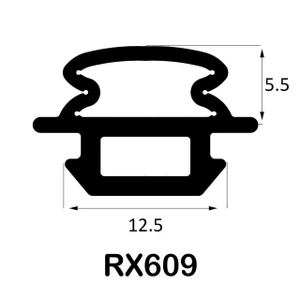 Bifold door gasketsFor selected bi-fold systems
 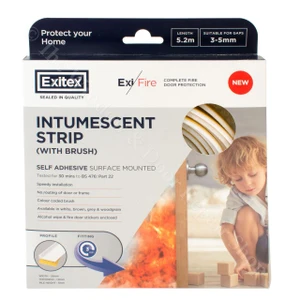 Intumescent sealsFor fire door assemblies
Windows and doors use two kinds of rubber seal. Weather seals run round the opening sash and the frame and seal the gap when the window or door closes: these are usually bubble, flipper or Q-Lon seals, and they are what wears out on a draughty uPVC door. Glazing seals hold and seal the glass unit in the frame: these are usually wedge, E or U-channel gaskets. Check which one has failed before you order.
The safest way to identify a replacement gasket is by comparing the cross-sectional shape and measurements, rather than relying only on how the seal looks while it is fitted. Years of compression can make an old gasket look very different from a new one.
Still unsure? Send us a clear photograph of the gasket cross-section together with its measurements and, if possible, a photograph showing where it fits into the window or door frame, through our part identification service. We can help identify the closest replacement.
Bubble gaskets have a rounded or hollow section that compresses when the window or door closes. They are commonly used around uPVC window and door sashes and frames to help prevent draughts and weather ingress.
When choosing a replacement, compare both the size of the bubble and the foot or fixing section that pushes into the frame groove. Two bubble seals can look very similar from the front while having different fixing profiles.
Flipper gaskets use a flexible fin or lip that presses against the opposing surface when the window or door closes. They are commonly found on uPVC and aluminium window and door systems.
Check the height and shape of the flipper as well as the section that locates in the frame. A seal that is too small may not make sufficient contact, while one that is too large can make the window or door difficult to close.
E gaskets, sometimes described as fir-tree gaskets depending on the profile, are used in a variety of uPVC and aluminium glazing systems. They are available in numerous shapes and sizes, so the cross-section should be compared carefully with the original before ordering.
Wedge gaskets are used to pack and seal glass within many window and door glazing systems. Our range includes corded, incremental, Reddiglaze, Reddilock and tear-off wedge profiles.
With wedge gasket, the thickness is particularly important. A gasket that is too thin may not hold and seal the glazing correctly, while one that is too thick may be difficult or impossible to fit.
Q-Lon gaskets use a compressible foam-based construction and are commonly found on timber, composite and selected window and door systems.
Aquamac seals are widely used as replacement weather seals on timber windows and doors, and our timber gaskets range covers other seals for wooden frames. Match the groove and sealing-gap requirements to the existing frame before choosing a replacement profile.
U-channel gaskets wrap around the edge of the glass and are often found on sliding patio doors. Bifold door gaskets are made for selected bi-fold door systems, which use their own frame, glazing and compression profiles, so choose by profile rather than appearance. Threshold door seals replace the seal along the bottom of a door threshold.
Draught excluders, including self-adhesive and brush seals, close unwanted gaps around frames, thresholds and door bottoms. Measure the gap and the length to be sealed, and make sure the seal won’t stop the door or window closing properly.
Intumescent seals expand with heat as part of a specified fire door assembly. They must suit the door, frame and fire rating, so check the fire door manufacturer’s requirements first. A general draught seal is not a substitute for a fire door seal.
Security glazing tape helps retain the sealed glass unit and makes it harder to remove from outside on some externally glazed systems. Choose the correct width and thickness for your glazing system.
With so many different gasket profiles used across uPVC, aluminium, timber and composite windows and doors, identifying the correct replacement from a photograph or measurements alone is not always easy.
JCP Hardware stocks 9 different gasket sample packs covering the main gasket families used on windows and doors. They allow you to physically compare and test the profiles before ordering a full length, helping to avoid ordering the wrong seal.
Why use a gasket sample pack? Small differences in the fixing foot, profile shape or sealing size can determine whether a gasket fits correctly. Compare the samples with your original seal and, where appropriate, test the fixing section in the existing groove before ordering the full quantity.
Remove a short piece of the existing gasket and look at its cross-sectional profile. Measure the overall dimensions and, most importantly, the section that fits into the frame or glazing groove. Compare those measurements with the diagrams on the individual product pages. If several profiles look similar, use one of our gasket sample packs before ordering a full length.
A bubble gasket has a rounded compressible section, while a flipper gasket has a flexible fin or lip. Both can be used as weather seals, but the correct type depends on the original window or door system. They are not automatically interchangeable.
Open the door, find the end or joint of the old seal and pull it out of its groove all the way round. Clean the groove, then push the new seal in, starting at the top corner and working round without stretching it. Close the door to check it seals evenly before trimming the end.
Many push-in replacement gaskets are straightforward to fit once the correct profile has been identified. The old seal normally pulls from its groove and the replacement pushes into the same channel. Some glazing and specialist gasket systems require a different fitting method, so check the individual product information before installation.
Most push-in gasket profiles are designed to locate mechanically in a groove and do not require adhesive. This does not apply to every type of seal, particularly self-adhesive and specialist products, so always check the individual product specification.
Window and door seals can gradually lose flexibility through age, repeated compression, temperature changes and exposure to sunlight and weather. Once a seal no longer makes proper contact, replacement with the correct profile can help restore the weather seal.
Sometimes an alternative profile can work, particularly where the original gasket is obsolete, but the fixing section and compressed sealing size must still be suitable. Do not choose a replacement simply because its visible shape looks similar.
Measure the complete length that needs replacing and allow a little extra for cutting, joints and measuring error. Check the individual product listing because some gaskets are sold per metre while others are supplied as packs or complete rolls.
No. Avoid deliberately stretching a push-in gasket during installation. Stretching can cause it to contract afterwards and leave gaps, particularly at corners and joints. Fit it naturally into the groove and trim it only after it is correctly positioned.
Need help identifying an old gasket? Send us a photo of the cross-section with its measurements and we’ll find the closest replacement.
Send us a photo to identify your partMonday to Friday, 8:30–12:30 and 13:00–15:30